Our laboratory studies the interactions between viruses and their hosts, focusing on the mechanisms of viral evolution, immune protection, and antiviral resistance. We use experimental virology, including live-virus infection models, primary human cells, and cellular and molecular assays, together with clinical samples to investigate how viruses replicate, spread, evolve, and interact with the immune system. Our research is organized around four major areas:
Viral evolution in persistent infections
We investigate how viruses evolve during prolonged infections in immunocompromised individuals, particularly infections that are normally cleared much more rapidly in people with intact immune systems.
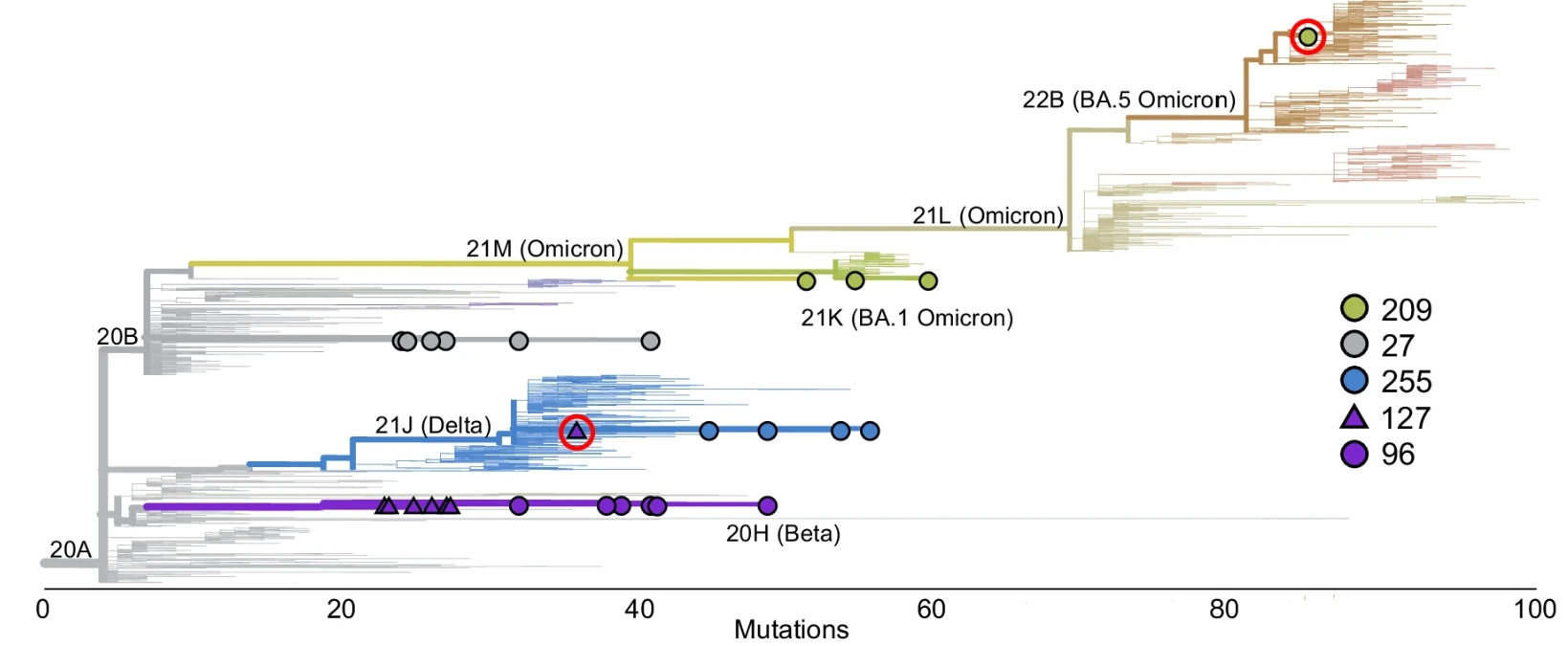
Source: Karim et al., Nature Communications 15, 2360 (2024), Figure 1D. Panel extracted from the original figure. Licensed under CC BY 4.0.
Immune responses in people living with HIV
We investigate how HIV-associated immune dysfunction influences responses to vaccines and emerging viral infections, particularly in individuals with advanced HIV disease.
Broad-spectrum antivirals and viral infection modes
We study antiviral compounds with activity against multiple viruses, focusing on how their efficacy depends on viral replication and transmission mechanisms.
Viral infections and aging
We are establishing a new research program investigating the relationship between aging, innate immunity, and viral infections. Using cellular models of aging, we examine how innate antiviral responses differ between young and aged cells, and the molecular mechanisms underlying these differences. We also investigate how viral infections may accelerate age-associated changes in immune function.